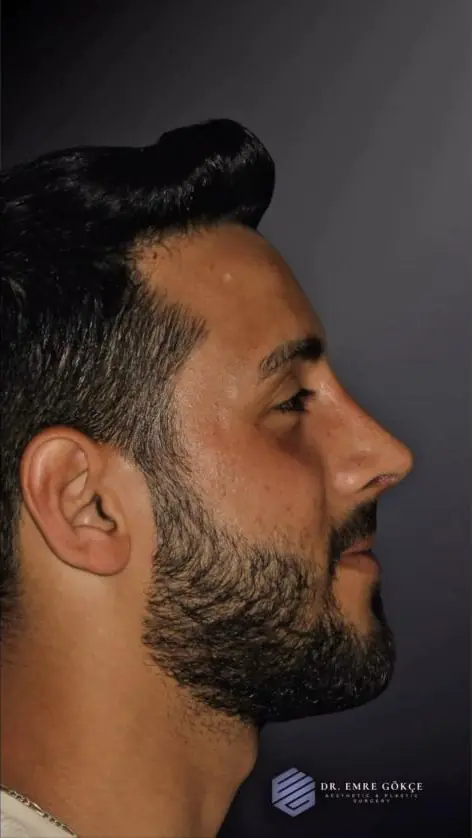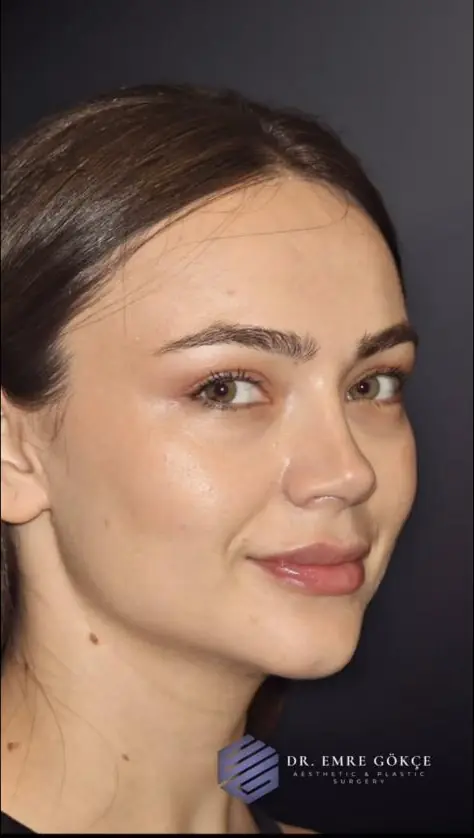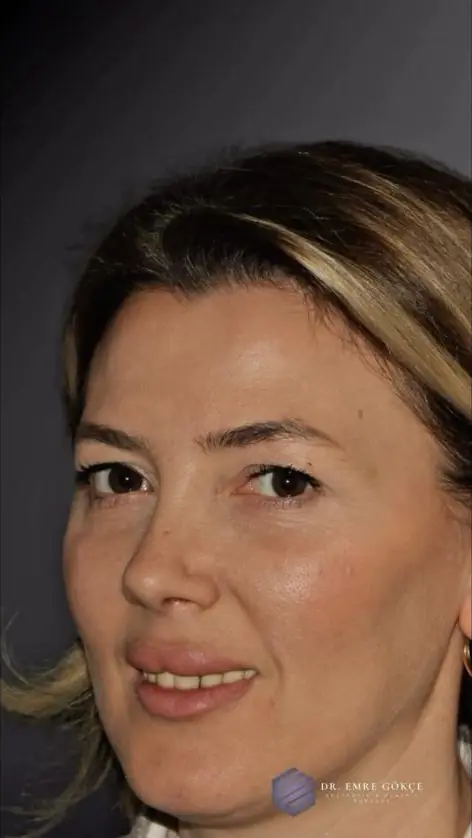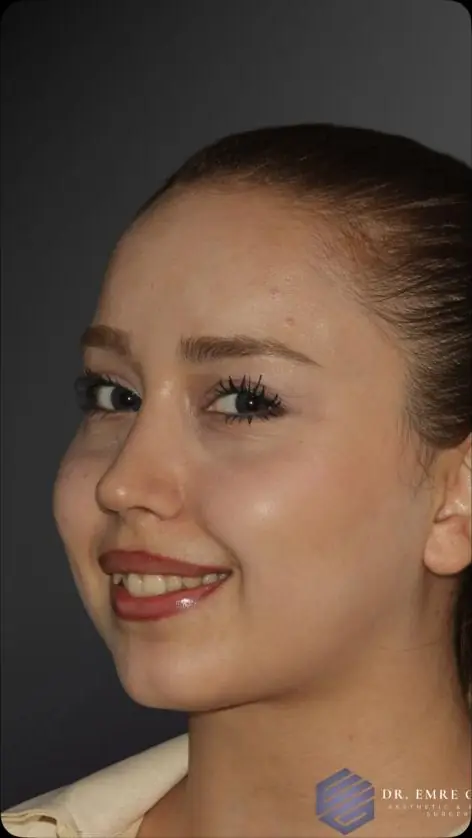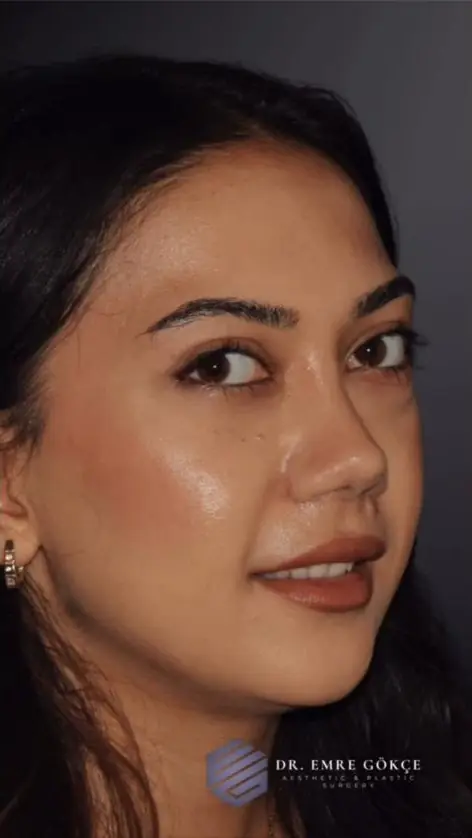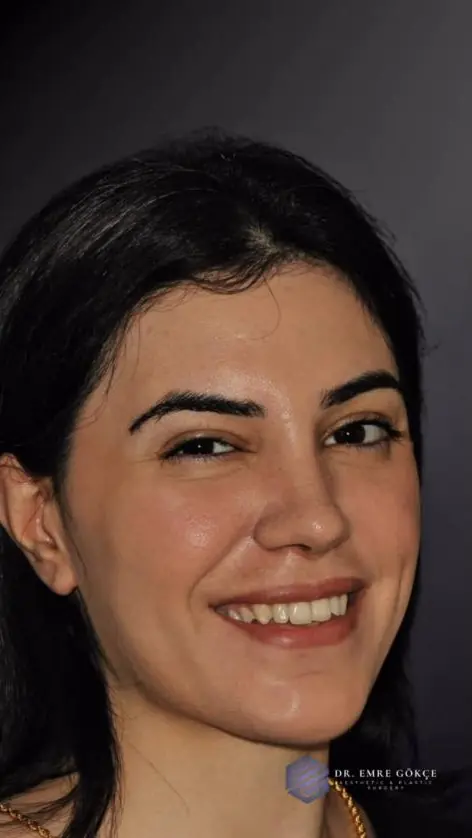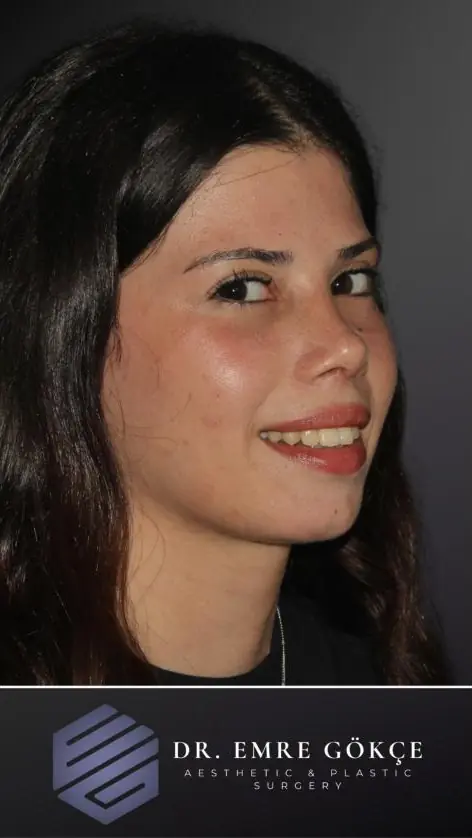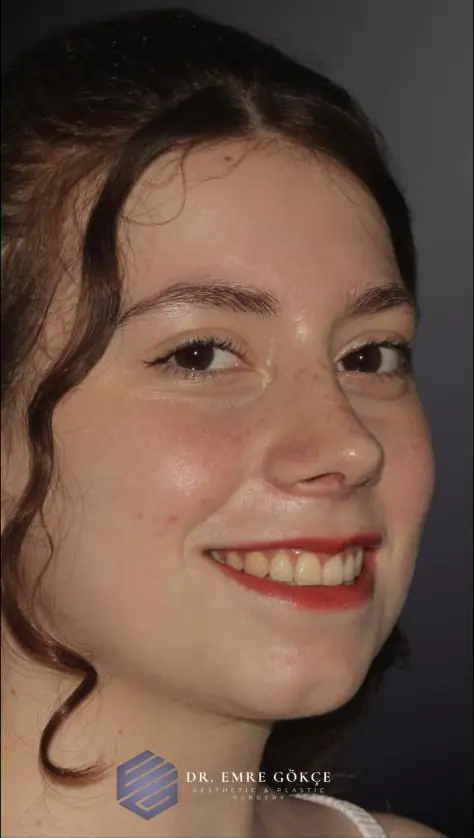

What is it?
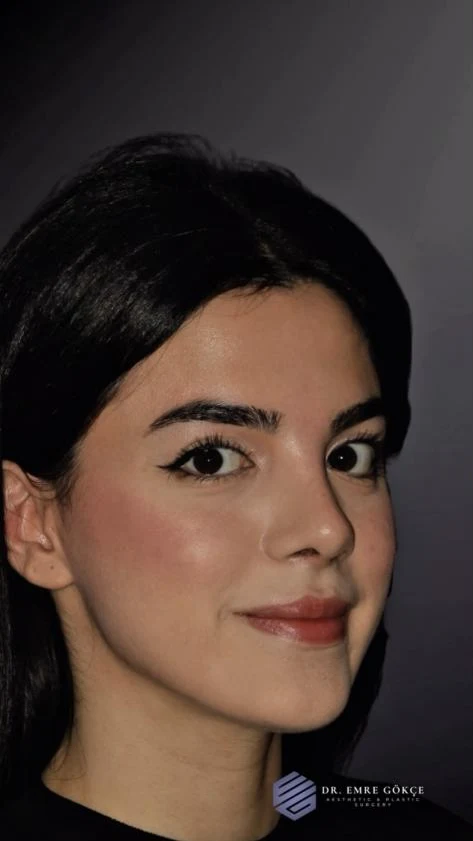
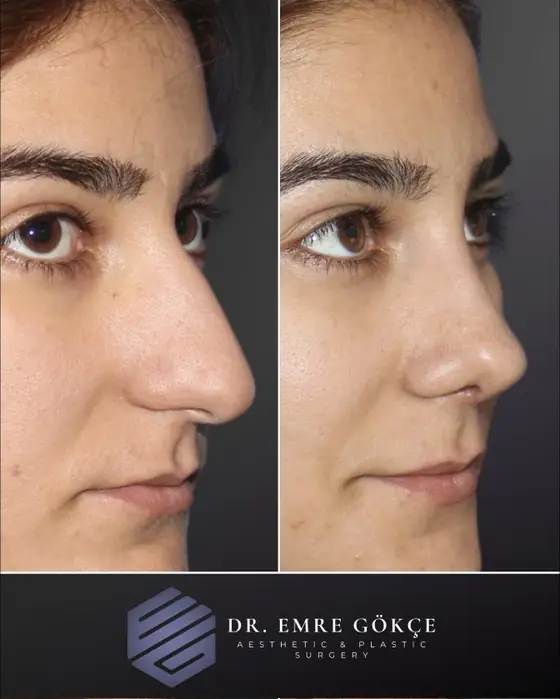
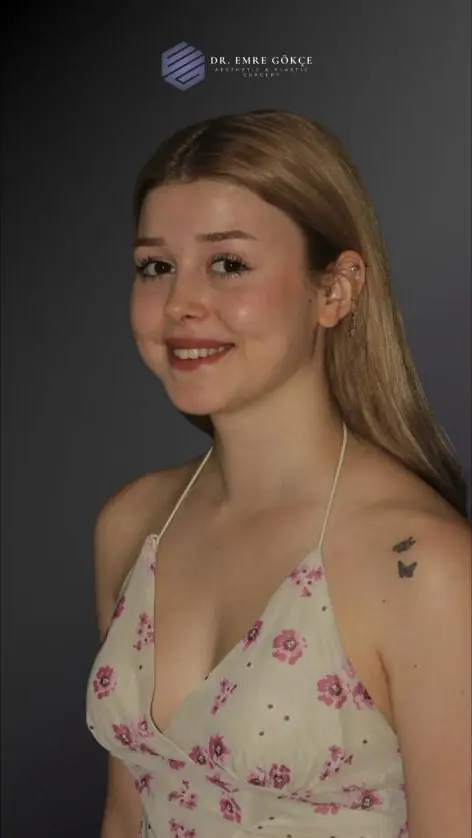
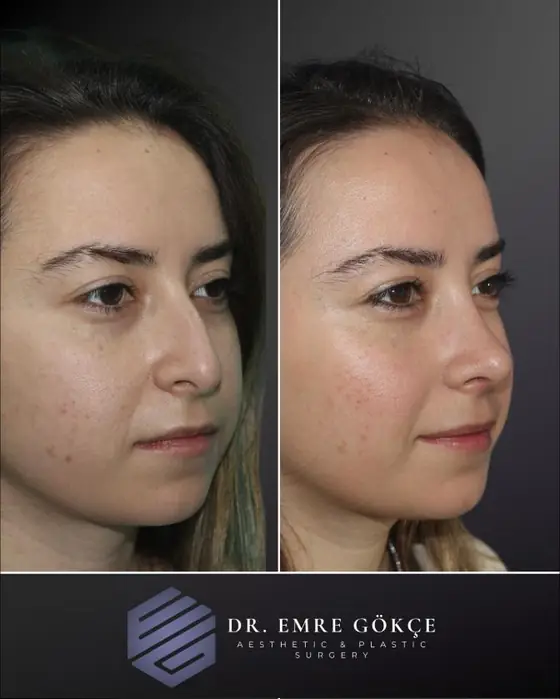
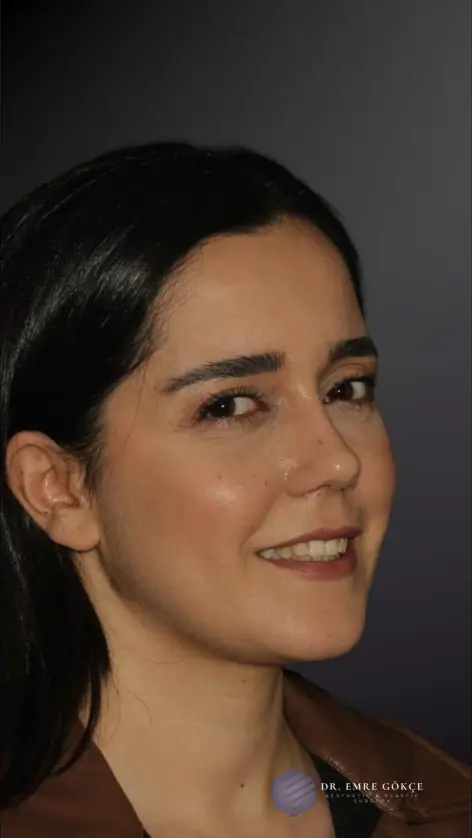
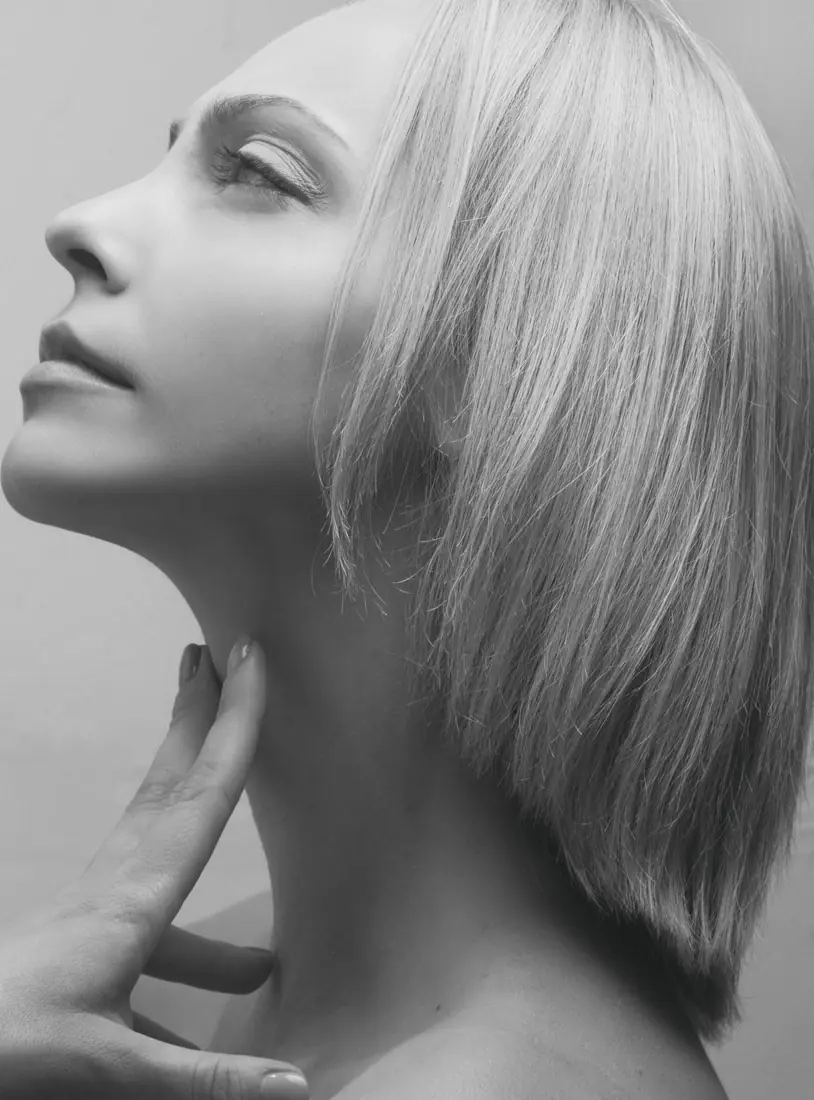
Rhinoplasty reshapes the bony and cartilaginous framework of the nose. A dorsal hump, a drooping or wide tip, deviation and asymmetry are all addressed within a single plan.
If a deviated septum or enlarged turbinates make breathing difficult, these are corrected in the same operation (septorhinoplasty), so the nose both looks more balanced and breathes more freely.
Who is it for?
- People with a dorsal hump or a depressed nasal bridge
- People with a drooping, wide or poorly defined tip
- People with a crooked or asymmetric nose, including after trauma
- People with breathing difficulty due to a deviated septum
- People whose facial growth is complete (usually over 17 for women and 18 for men) and who have realistic expectations
How is it performed?
Open technique
Performed through a small incision between the nostrils, allowing direct visualisation of the structures. Preferred for tip work and revisions; the scar fades over time.
Closed technique
All incisions are made inside the nose, leaving no external scar. Suitable when more limited changes are needed.
Preservation approach
In suitable noses, the hump can be corrected while preserving the natural structure of the nasal dorsum, aiming for a more natural profile line.
Which technique is right for you depends on the structure of your nose, your skin thickness and the result we aim for, and is decided together at your consultation.
Preparing for surgery
- Photographs of your nose are taken from different angles and the intended change is discussed together.
- Let us know if you use nasal sprays or allergy medication.
- Stop smoking at least 3–4 weeks before surgery; nicotine impairs wound healing and blood supply to the tissues.
- When to stop aspirin, blood thinners, fish oil, vitamin E and certain herbal supplements will be planned individually for you.
- You will need to avoid eating and drinking for 6–8 hours before surgery.
- Arrange for someone to take you home on the day of surgery and stay with you on the first night.
Recovery
- Day 1Splint on the nose, swelling around the eyes; rest with your head elevated
- Days 7–10Splint and any stitches removed; back to social life
- Weeks 2–3Bruising largely resolves
- Weeks 4–6Gradual return to exercise; glasses only after approval at follow-up
- Month 12Fine swelling at the tip settles and the final shape emerges
Durations are averages and vary from person to person.
Take your follow-up photos the standard way
The photo guide shows an outline for each angle on your phone camera. Photos stay on your phone; you send them by e-mail or Instagram yourself.
Risks and safety
Specific to rhinoplasty, temporary nasal congestion, altered sensation at the tip and minor irregularities may occur; occasionally a revision procedure is needed.
As with any surgical procedure, there are risks of bleeding, infection, scarring, delayed wound healing, asymmetry and risks related to anaesthesia. These are discussed with you in detail during your consultation and are minimised through careful patient selection, meticulous surgical technique and regular follow-up.
Frequently asked questions
Is rhinoplasty painful?
Pain after rhinoplasty is usually mild to moderate and is controlled with simple painkillers. The main discomfort is nasal congestion in the first days.
Will I have nasal packing?
Most patients have soft silicone splints that allow breathing instead of traditional packing, or no packing at all.
When will I see the final result?
The nose starts to look natural by the end of the first month, but complete resolution of fine swelling at the tip can take up to 12 months, longer in thick skin.
Can rhinoplasty be done in thick nasal skin?
Yes. Thick skin shows fine changes less and swelling lasts longer, so the plan is adapted accordingly.
The information on this page is for general guidance and does not replace a consultation. The right method, surgical plan and expected result can only be determined in an in-person examination.
Last updated: November 2026